Definition and Importance
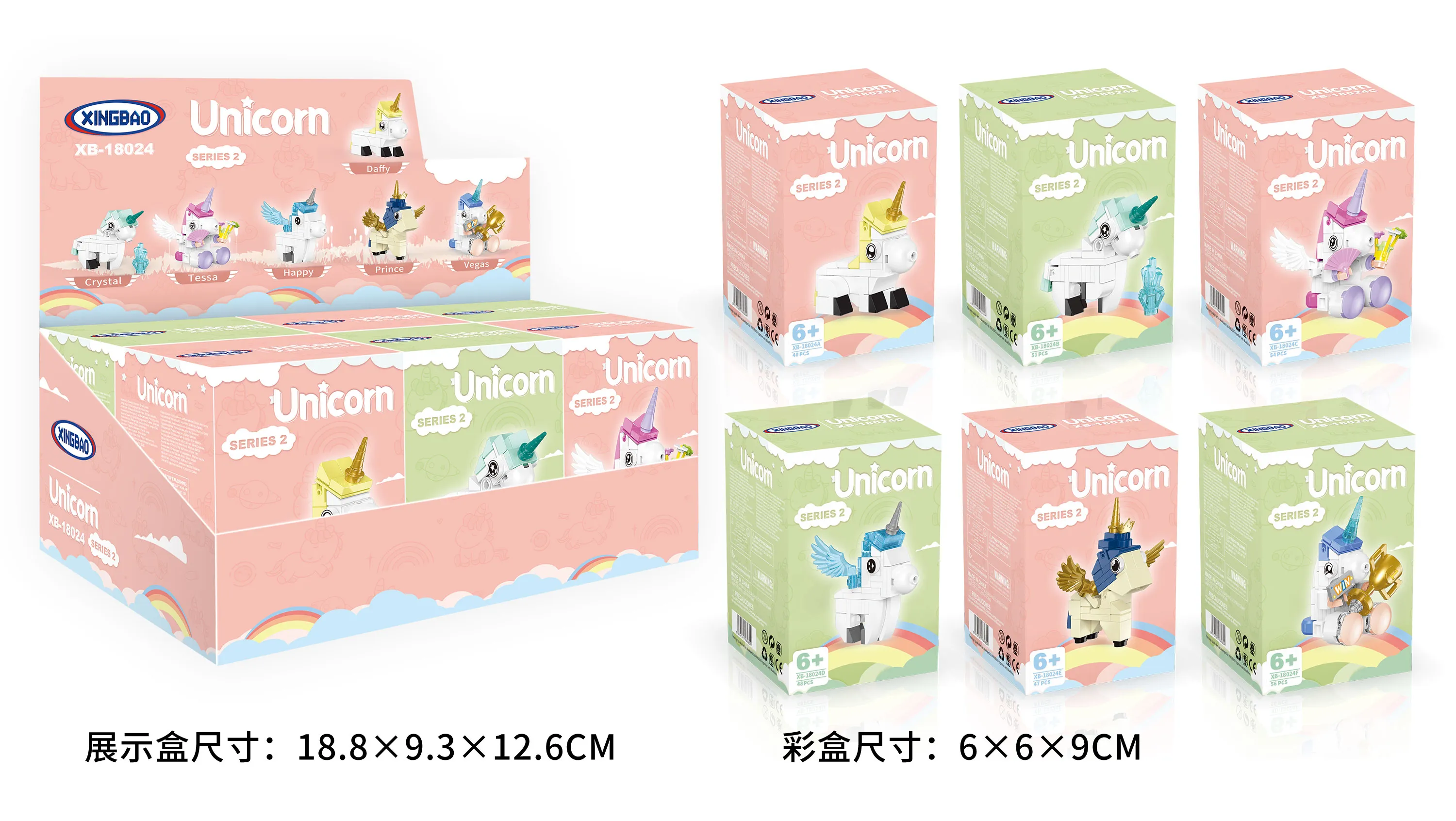
Private label building blocks are toy products designed and manufactured by an OEM/ODM supplier but branded, packaged, and commercialized under a retailer’s or brand owner’s label, following the buyer’s specifications and market positioning as defined by private label industry practice. In the toys sector—spanning building blocks and remote control cars—this model enables differentiated assortments, margin control, and faster iteration while meeting safety and compliance requirements.
 -
-
Key Features and Attributes
Customization and Modularity
Modular bricks, theme packs, and accessory sets allow tailored assortments by age, difficulty, and play pattern; packaging formats (starter kits, expansions, educational STEM sets) align with category strategies and price ladders, naturally integrating building blocks into broader toy lines.
Compliance and Safety Foundations
Private label toys require conformity with recognized safety frameworks (e.g., ISO toy safety standards such as the ISO 8124 series, ASTM F963 in the U.S., and regulatory enforcement by authorities like CPSC) to ensure mechanical, chemical, and labeling safety ISO (ISO 8124 series), ASTM F963, U.S. CPSC.
Identity, Labeling, and Traceability
SKU governance, GTIN assignment, barcodes, and traceability support omnichannel operations, recalls, and retailer data standards GS1 global standards.
Integrated Category Strategy
Private label building blocks complement adjacent items (e.g., remote control cars or robotics kits) to create themed collections, bundle value, and drive cross-category traffic.
Core Components and Process Steps
The private label workflow is structured to reduce risk and accelerate time-to-market while enforcing compliance and quality gates.
Common Types and Classification
Classification aligns assortments with consumer needs and channel requirements.
By Product and Play Pattern
Core bricks, themed sets (city, space, fantasy), educational/STEM kits, collector/advanced builds, and compatible accessories—each tailored for age bands and complexity.
By Material and Finish
ABS bricks for durability, bio-based or recycled plastics for sustainability claims, and premium finishes (metallic, matte) for specialty lines.
By Packaging and Channel
Bulk tubs for warehouse clubs, slim cartons for e-commerce, gift boxes for specialty retail, and classroom packs for educational distributors.
-
Value and Significance
Private label building blocks deliver margin control, curated brand identity, and speed-to-market while integrating with adjacent toy lines (e.g., remote control cars). Benefits include retailer differentiation, better inventory turns, and supply chain leverage through OEM/ODM partnerships.
Illustrative comparison of value drivers (non-market data):
For omnichannel GTM alignment, strategy benchmarks and category insights from recognized firms can guide assortment and pricing decisions McKinsey, Gartner.
Contextual Applications
Typical application in the toys industry: a retailer launches an educational STEM building blocks line via OEM/ODM, defining age bands, learning outcomes, and price tiers. The supplier engineers bricks, tests safety, manages GTIN labeling, and produces packaging tailored for e-commerce and specialty retail; the retailer orchestrates launch content, storefront taxonomy, and promotions.
Where applicable, private label building blocks can be bundled with remote control cars (e.g., robotics add-on kits) to drive cross-category engagement and cart size.
Safety and compliance frameworks govern each stage ISO, ASTM, CPSC.
Related and Extensions
For a deeper dive into compliance checklists and SKU governance for building blocks, talk to our team to review requirements and launch timelines tailored to your channels.
In this industry, GuangDong XingBao電子テクノロジー株式会社. focuses on OEM/ODM services that help toy brands and retailers design, produce, and label private label building blocks aligned to category strategy, GTIN standards GS1, and safety regimes CPSC.
Common Questions
Do private label building blocks require third-party safety testing before sale?
Yes. Retailers and brand owners typically require documented conformity to toy safety standards (e.g., ISO 8124 series and ASTM F963), plus regulatory compliance overseen by authorities like the U.S. CPSC; independent labs and documented certificates form the evidence basis for market access ISO, ASTM, CPSC.